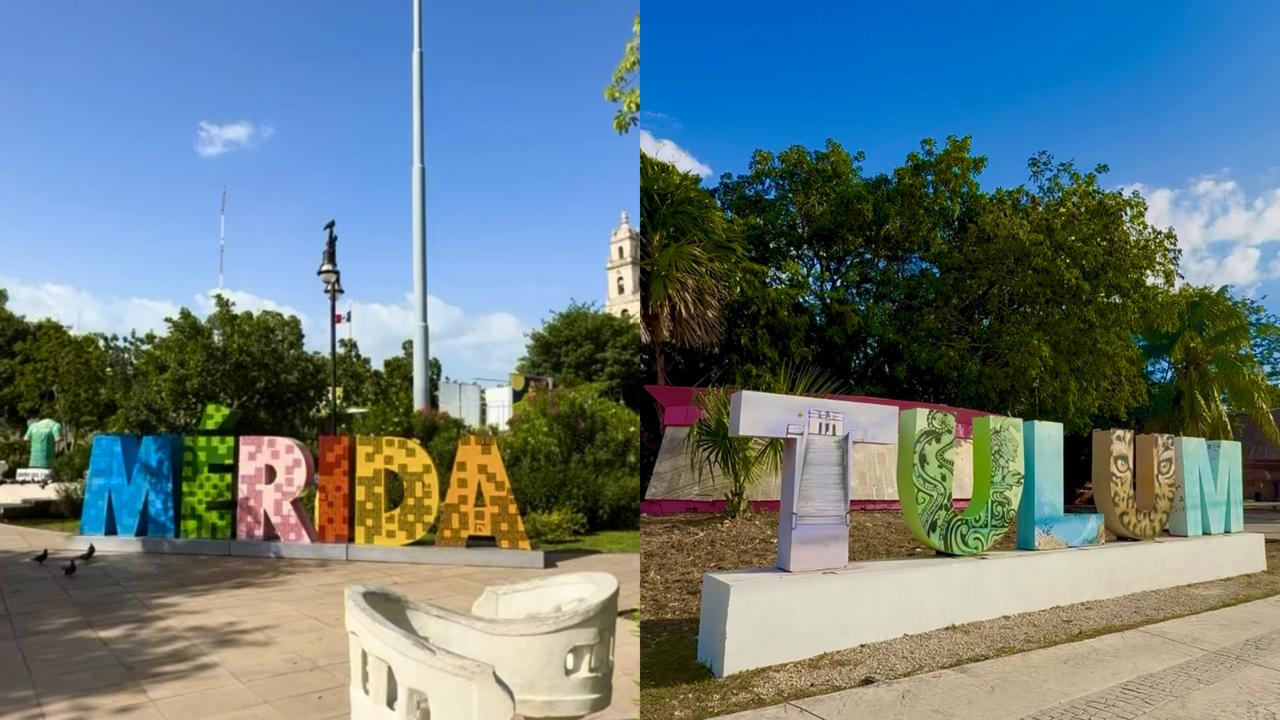
An honest comparison of Mérida and Tulum real estate for American and Canadian buyers — investment returns, lifestyle, prices, risks, and which market suits your goals.
I get this question constantly from clients who have narrowed down their search to Mexico but can’t decide between these two very different markets.
My honest answer: it depends entirely on what you want the property to do for you.
Mérida and Tulum are both exceptional — but they attract different buyers, offer different returns, and require different mindsets. This guide breaks down the comparison across every dimension that matters.
The 30-Second Summary
| Mérida | Tulum | |
|---|---|---|
| Best for | Long-term living, appreciation | Short-term rental income |
| Lifestyle | Urban, cultural, colonial | Nature, beach, eco-luxury |
| Price point | $150K–$2M+ USD | $200K–$5M+ USD |
| Short-term rental yield | 4–6% | 7–12% |
| Safety | Excellent | Moderate (tourist areas) |
| Foreign ownership | Fideicomiso required | Fideicomiso required |
| Infrastructure | Established, excellent | Developing rapidly |
| Long-term appreciation | Steady, consistent | Higher potential, higher risk |
Mérida: The City That Surprises
Mérida is the capital of Yucatán — a colonial city of about 1.3 million people that has quietly transformed into one of the most desirable destinations for American and Canadian buyers seeking a real life in Mexico, not just a vacation investment.
What Makes Mérida Different
It’s a real city. Unlike purpose-built tourist destinations, Mérida has everything: world-class hospitals, international schools, excellent restaurants, a thriving arts scene, and an international airport with direct flights to major US cities.
Extraordinary architecture. The historic centro is filled with haciendas, casas coloniales, and 19th-century palacetes that have been lovingly restored into some of the most beautiful homes I’ve ever listed. Thick limestone walls, internal courtyards, high ceilings, and pools hidden from the street.
Safety. Mérida consistently ranks as one of Mexico’s safest cities. It regularly appears on lists of best places to retire in Latin America. The expatriate community is substantial and well-integrated.
Mexico’s largest expat community. With over 30,000 foreign residents, Mérida has the most established expat infrastructure in Mexico — English-speaking physicians, bilingual attorneys, international schools, and an active community network that makes settling in far smoother than in newer or smaller markets.
Mérida Investment Profile
Mérida’s real estate market has seen steady appreciation over the past decade, driven by:
- Growing demand from American and Canadian retirees
- Significant domestic demand from Mexico City professionals
- Limited housing supply in desirable centro and norte neighborhoods
- Infrastructure investments including new road and airport capacity
Typical price ranges:
- Colonial home in centro histórico: $200K–$1.5M USD
- Modern villa in Mérida Norte: $300K–$2M+ USD
- Condo in new development: $150K–$500K USD
Short-term rental performance: Mérida’s short-term rental market is growing but remains more modest than Tulum. Typical Airbnb yields in desirable neighborhoods: 4–6% annually.
Long-term rental demand: Strong, driven by the growing expat community and Mexican professionals. Reliable long-term tenants at reasonable yields.
Who Buys in Mérida?
- American and Canadian retirees seeking permanent or semi-permanent residence
- Buyers who want to live in Mexico, not just own a vacation property
- Investors seeking stable appreciation with lower volatility than coastal markets
- Buyers who value an established expat community and full-service infrastructure
- Those drawn to authentic Mexican culture over tourist-focused development
Tulum: The Aspirational Bet
Tulum has transformed over the past decade from an off-the-beaten-path backpacker destination into one of the world’s most discussed luxury travel and real estate markets.
The combination of Caribbean beaches, ancient Mayan ruins, cenotes (natural sinkholes with crystal-clear water), and a bohemian-luxury aesthetic has created something genuinely unique.
What Makes Tulum Different
Short-term rental powerhouse. Tulum’s tourism demand is exceptional. The destination attracts high-spending international travelers willing to pay premium rates for the right property. This translates into strong short-term rental yields for well-positioned properties.
Early-stage luxury market. While Tulum is already developed relative to what it was a decade ago, the luxury segment is still building out. Buyers who positioned early have seen extraordinary appreciation; the question is whether that trajectory continues.
Unique aesthetic. Tulum’s architecture is unlike anywhere else — organic forms, natural materials, infinity pools overlooking jungle canopies, cenote access, rooftop terraces facing Mayan ruins. Properties here sell an experience, not just a home.
New airport. The Felipe Carrillo Puerto International Airport (Tulum Airport), which opened in late 2023, has significantly improved access. This was a major infrastructure milestone that many investors had been waiting for.
Tulum Investment Profile
Typical price ranges:
- Studio/1BR in development: $200K–$500K USD
- 2–3 BR villa: $500K–$2M USD
- Luxury boutique development unit: $800K–$5M+ USD
Short-term rental yields: Top-performing Tulum properties achieve 7–12% annual yields, with some boutique properties exceeding this in peak seasons. These figures require professional management and depend heavily on location and property quality.
Appreciation: Tulum has seen aggressive appreciation, but with more volatility than Mérida. Some early-stage development buyers have seen extraordinary returns; others have experienced delays, quality issues, or overbuilding in certain micro-zones.
Who Buys in Tulum?
- Investors seeking short-term rental income as primary objective
- Buyers who will use the property part-time and rent when absent
- Those attracted by the unique Tulum aesthetic and lifestyle
- Investors with higher risk tolerance willing to accept development risk for higher potential returns
- Buyers who already own property elsewhere and want Mexico as an income-producing asset
Tulum Risks to Understand
I would be doing you a disservice not to mention the challenges:
Overdevelopment in some zones. Parts of Tulum have been built rapidly, with uneven quality. The short-term rental market can become oversupplied in certain price bands. Careful micro-location selection matters enormously.
Fideicomiso required. All Tulum properties require a bank trust (fideicomiso) for foreign ownership — adding setup costs and annual fees.
Infrastructure still developing. Despite improvements, road congestion, water, and electrical infrastructure in parts of Tulum remain works in progress.
Environmental regulations. Tulum sits in an ecologically sensitive zone. Regulatory changes can affect development and, in some cases, existing properties. Work with experienced local counsel.
Side-by-Side Comparison
Lifestyle
Mérida is urban, cosmopolitan, and culturally rich. Life revolves around colonial plazas, gastronomic markets, cenote day trips, beach weekends at nearby Progreso (45 minutes away), and a genuine Yucatecan cultural identity. If you want Mexico beyond the resort, Mérida is it.
Tulum is nature-driven, wellness-focused, and international. Life revolves around the beach clubs, cenotes, yoga studios, and farm-to-table restaurants that have given Tulum its global reputation. It’s a curated lifestyle — extraordinary if it matches your vision, but very much a tourist destination at its core.
Investment Returns
For short-term rental income as primary objective, Tulum generally outperforms. The market is more established for this use case, and the destination attracts international travelers who pay premium rates.
For long-term appreciation with stability, Mérida has shown more consistent, less volatile growth. It’s a real city with real demand drivers — not a market dependent on tourism trends.
For personal use plus rental when away, both work well — but different niches. Mérida tends to attract longer-term renters; Tulum generates peak-season short-term demand.
Ownership Structure
Both Mérida and Tulum require a fideicomiso (bank trust) for foreign buyers — this applies across Mexico for properties in the Restricted Zone, and in practice applies to most property purchases in both markets. Setup cost is $1,000–2,000 USD with an annual fee of approximately $500–700 USD.
Mérida: The transaction process for Mérida is generally more straightforward than in high-demand coastal markets. Experienced bilingual notaries, attorneys, and advisors are widely available, and the market’s longer track record means more predictable due diligence.
Tulum: Fideicomiso required; the same structure applies. Given the higher pace of development activity in Tulum, working with experienced legal counsel is especially important to verify clear title and construction permits before signing.
Safety
Both are significantly safer than what many Americans imagine about Mexico. But they are different:
Mérida is one of Mexico’s safest cities, with very low crime rates even by international standards. It is consistently rated among the safest large cities in Latin America.
Tulum is safe in tourist zones, which is where properties of interest to international buyers are located. Like any tourist destination globally, petty crime exists, and visitors should exercise normal urban awareness.
My Honest Recommendation
After working with hundreds of buyers across both markets, here’s what I tell clients:
Buy in Mérida if:
- You plan to spend significant time there yourself
- You want a property that’s also a home, not just an asset
- You prioritize stability, consistent appreciation, and lower volatility
- You want access to Mexico’s most established expat community and services
- Cultural depth, safety, and authentic Mexican life appeal to you
Buy in Tulum if:
- Short-term rental income is your primary investment objective
- You’re comfortable with higher risk for higher potential return
- You’re attracted to the specific Tulum lifestyle and aesthetic
- You have the risk tolerance for a more volatile, development-stage market
- You already own property elsewhere and want an income-producing second investment
Consider both if:
- You have a larger budget and want geographic diversification
- You want one property for personal use (Mérida) and one for income (Tulum)
- This is a portfolio decision, not a single-property decision
The Question I Always Ask
Before recommending either market to a client, I ask one question:
“Imagine you’re in Mexico for two weeks. How do you spend your time?”
If the answer involves local markets, museums, restaurants, cenote day trips, and a genuine immersion in Mexican culture — you’re a Mérida buyer.
If the answer involves beach clubs, snorkeling, yoga retreats, jungle walks, and Caribbean sunsets — you’re a Tulum buyer.
Both are exceptional. The right choice is the one that matches your life.
Let’s Find Your Property
I know both markets intimately. I’ve sold properties in colonial Mérida mansions and Tulum jungle penthouses. I can give you an honest, unbiased view of what each market offers right now — including properties that fit your budget and goals.
Schedule a consultation today. Tell me what you’re looking for, and I’ll show you what’s possible.